
Understanding PRP and Polynucleotides: A Comprehensive Guide to Advanced Aesthetic Treatments
Updated: Feb 3
What is PRP?
Platelet-Rich Plasma (PRP) is an innovative treatment derived from a patient’s own blood. The process begins with drawing blood, which is then spun in a centrifuge. This centrifugation concentrates the platelets, which are rich in growth factors that stimulate tissue repair and regeneration.
Uses of PRP
Aesthetic Treatments: PRP is widely used for facial rejuvenation, reducing wrinkles, improving skin texture, and promoting hair growth in cases of hair thinning or alopecia.
Medical Treatments: In orthopaedics, PRP accelerates the healing of tendons, ligaments, and joints. It is also employed in dentistry to facilitate faster recovery after surgical procedures.
How PRP Works
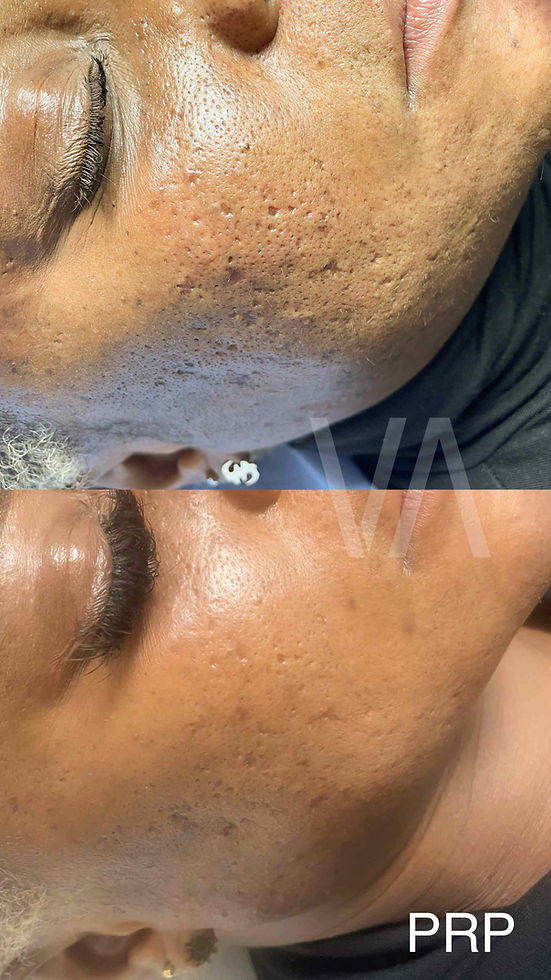
PRP functions by delivering a high concentration of platelets directly to damaged or aging tissue. These platelets release growth factors that encourage collagen production, new blood vessel formation, and cell regeneration. This natural healing process significantly improves skin elasticity, reduces scars, and stimulates hair follicles.
What are Polynucleotides?
Polynucleotides are long chains of nucleotides, the fundamental building blocks of DNA and RNA. In medical and aesthetic treatments, polynucleotides are extracted from natural sources, such as fish DNA. They are used as injectable substances to promote skin hydration, elasticity, and repair.
Uses of Polynucleotides
Skin Rejuvenation: Polynucleotides deeply hydrate the skin and enhance its texture and elasticity.
Wound Healing: They support tissue repair by enhancing cell metabolism and reducing inflammation.
Anti-Aging: Polynucleotides help restore skin firmness and diminish fine lines.
How Polynucleotides Work
Polynucleotides stimulate fibroblast activity, which increases collagen and elastin production. They also improve microcirculation and provide antioxidant effects, protecting skin cells from damage. This results in smoother, more hydrated, and youthful skin.
Comparing Benefits of PRP and Polynucleotides
| Feature | PRP | Polynucleotides |
|----------------------------|--------------------------------------------------|--------------------------------------|
| Source | Patient’s own blood | Extracted from natural DNA sources |
| Main Action | Stimulates growth factors for healing | Enhances cell metabolism and hydration |
| Treatment Areas | Skin, hair, joints | Skin, wound healing |
| Duration of Effects | Several months | Several weeks to months |
| Risk of Allergic Reaction | Very low (autologous) | Low but possible (natural extract) |
| Preparation Time | Requires blood draw and centrifuge | Ready-to-use injectable solution |
Potential Side Effects
Both treatments are generally safe but can have side effects.
PRP Side Effects
Mild pain or bruising at the injection site
Temporary redness or swelling
Rare risk of infection if not performed under sterile conditions
Polynucleotides Side Effects
Slight redness or swelling
Possible allergic reaction in sensitive individuals
Mild discomfort during injection
Effectiveness and Real-Life Applications
PRP Case Study
A 45-year-old woman with thinning hair underwent PRP therapy once a month for six months. After treatment, she experienced noticeable hair regrowth and thicker hair strands. Studies support PRP’s effectiveness in stimulating dormant hair follicles and improving scalp health.
Polynucleotides Case Study
A 50-year-old man with sun-damaged skin received polynucleotide injections every two weeks for three sessions. His skin showed improved hydration, reduced fine lines, and better elasticity. Clinical trials have demonstrated polynucleotides’ ability to enhance skin repair and reduce signs of aging.
Which Treatment is Right for You?
Choosing between PRP and polynucleotides depends on your goals and preferences:
If you desire a natural, autologous treatment that promotes healing and hair growth, PRP may be the better choice.
If you prefer a ready-to-use injectable that deeply hydrates and improves skin texture, polynucleotides could be more suitable.
Both treatments can complement each other in some cases, offering combined benefits.
Why Choose The Vale Aesthetics?
At The Vale Aesthetics, we prioritise your safety and satisfaction. Here are some key reasons to choose us for your injectable treatments:
Qualified Professionals: All our injectable treatments are administered by experienced medical professionals.
CQC Registered: We operate in a Care Quality Commission (CQC) registered premises, ensuring the highest standards of care and safety.
Convenient Location: Our clinic is conveniently located in London, making it easily accessible for our clients.
Personalised Care: We offer tailored treatment plans to meet your individual aesthetic goals.
State-of-the-Art Facilities: Our clinic is equipped with the latest technology and adheres to strict hygiene protocols.
Choose The Vale Aesthetics for a safe and effective approach to your aesthetic needs.
Conclusion: Making Informed Choices in Aesthetic Treatments
When it comes to advanced medical and aesthetic treatments, Platelet-Rich Plasma (PRP) and polynucleotides have gained significant attention. Both therapies offer promising results in skin rejuvenation, wound healing, and tissue repair, but they work in different ways and suit different needs. Understanding how each treatment functions, their benefits, potential side effects, and real-world applications can help you make informed decisions about which option might be best for you.
In summary, the choice between PRP and polynucleotides hinges on individual aesthetic goals and treatment preferences. Both options present unique advantages and can be tailored to meet specific needs. For those seeking the best in aesthetic treatments, The Vale Aesthetics stands out as a premier destination, committed to excellence in both service and results.


